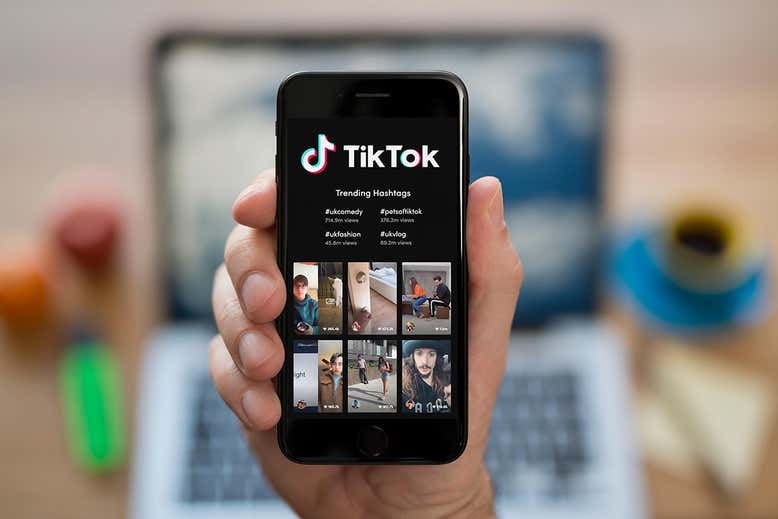
TikTok has become one of the hottest apps in the world, surpassing Instagram in popularity, as measured by the number of downloads of the app in the past 12 months. More than 1.5 billion people use the app to upload and watch quirky short videos performed to music.
But court cases and investigations are raising concerns about how the app shares people’s data. The fact that the app is owned by the Chinese tech giant ByteDance seems to be heightening the alarm.
Earlier this week, a student in California filed a lawsuit against TikTok for allegedly transferring “vast quantities of private and personally-identifiable user data” to servers in China. The student, Misty Hong, claims that TikTok transfers data about users’ phone use, including websites visited outside the app, surreptitiously to Chinese servers. Hong claims that this was done despite her never creating an account, and that the information secretly transmitted to China included draft videos she had made using the app but never posted.
The lawsuit comes as a German journalist and educator, Matthias Eberl, analysed the way the app handles and moves data. Eberl found that information about the device and search terms entered into the app were sent to advertising company Appsflyer and Facebook. Eberl also believes that private identifying information is transferred to an unsecured country outside of the European Union, which may contravene European data rules.
The app is also being investigated by the US over national security concerns and censorship of politically sensitive content. US politicians, including Senate minority leader Chuck Schumer, are concerned that the app will siphon off data and send it to the Chinese government if requested.
TikTok is the first platform since the advent of social media that is popular worldwide but was developed in China, which seems to be driving many of the concerns.
While politicians in the US and elsewhere have been able to bring executives from the likes of YouTube, Facebook and Instagram in front of them to answer questions, it may be more difficult for Western politicians to do the same for the bosses of TikTok in China.
There are also substantial differences in data norms between the US, the EU and China. In China, for example, data from apps people use is fed into the country’s social credit system, which is linked to “privileges”, such as being able to book a flight. The US and the EU have stricter rules on when data sharing can occur.
The fact the app is aimed at young people also stokes moral panic, says Rowenna Fielding at data protection consultants Protecture.
However, she says that the way data flows from TikTok is extremely common. “The discipline of privacy by design and default is not yet widely embedded in the app development industry,” says Fielding.
 TechPro BD